
Treatment of lymphostasis (lymphedema) of the upper extremities
Treatment of lymphostasis, lymphedema of the upper extremities, is a complex of symptoms that occurs in some patients after treatment for breast cancer.
Lymphostasis of the upper limb
Postmastectomy syndrome (hereinafter referred to as PMS) consists of:
- lymphedema (lymphostasis, lymphedema) of the upper extremities, anterior chest wall, upper arm (develops in 35-40% of patients);
- impaired venous outflow from the affected limb;
- cicatricial changes of the chest wall (absence of the breast);
- cicatricial changes in the inguinal region (due to removal of inguinal lymph nodes);
- impaired movement function in the shoulder joint – 40% of patients suffer from limited movement in the shoulder joint;
- damage to the brachial nerve plexus with the development of sensory and motor disorders, impaired regulation of vascular tone, polyneuropathy;
- radiation burn of tissues (develops as a result of radiation treatment);
- fibrosis of the tissues of the upper limb, upper arm, anterior chest wall and scapula;
- the accession of erysipelas;
- psycho-emotional disorders associated with the main oncological diseases and the consequences of the surgery;
- As a result of PMEC, blood flow disorders in the neck vessels may develop, up to and including cerebral circulation disorders.
PMEC is distinguished by the time of onset. The early stage is at the stage of surgical treatment, the late stage develops from several months to several years.
Classification of PMES (upper limb lymphostasis, upper limb lymphedema)
Different manifestations of upper limb lymphostasis are classified:
- 1st degree – increase in limb volume up to 150 ml (compared to a healthy limb)
- 2nd degree – from 150 to 300 ml or + 1-2 cm – volume in the shoulder
- Grade 3 – from 350 to 500 ml or + 2-4 cm of volume in the shoulder
- Grade 4 – from 500 to 700 ml or + 4-6 cm of volume in the shoulder
- Grade 5 – more than 700 ml and shoulder circumference more than 7 cm
Treatment of PMEC
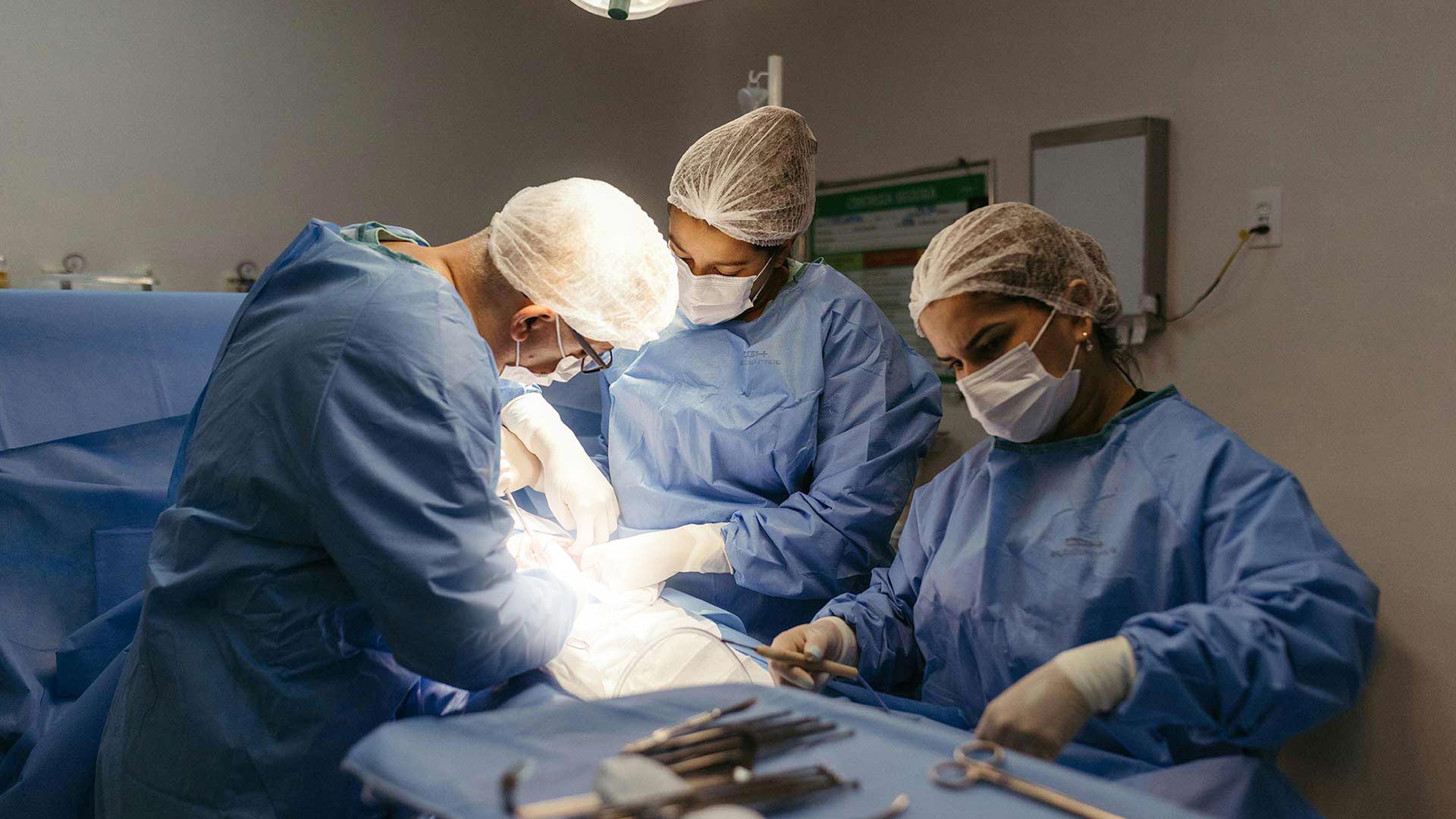
Treatment methods for PMEC can be divided into conservative and surgical. Depending on the specific lesion of certain limbs, the doctor prescribes the necessary and in each case individual treatment. Only under this condition will the treatment process be safe for the patient’s health.
The photo below shows one of the results of treatment of patients who have visited our clinic. We also provide consultations for lymphostasis of the upper limb after mastectomy.